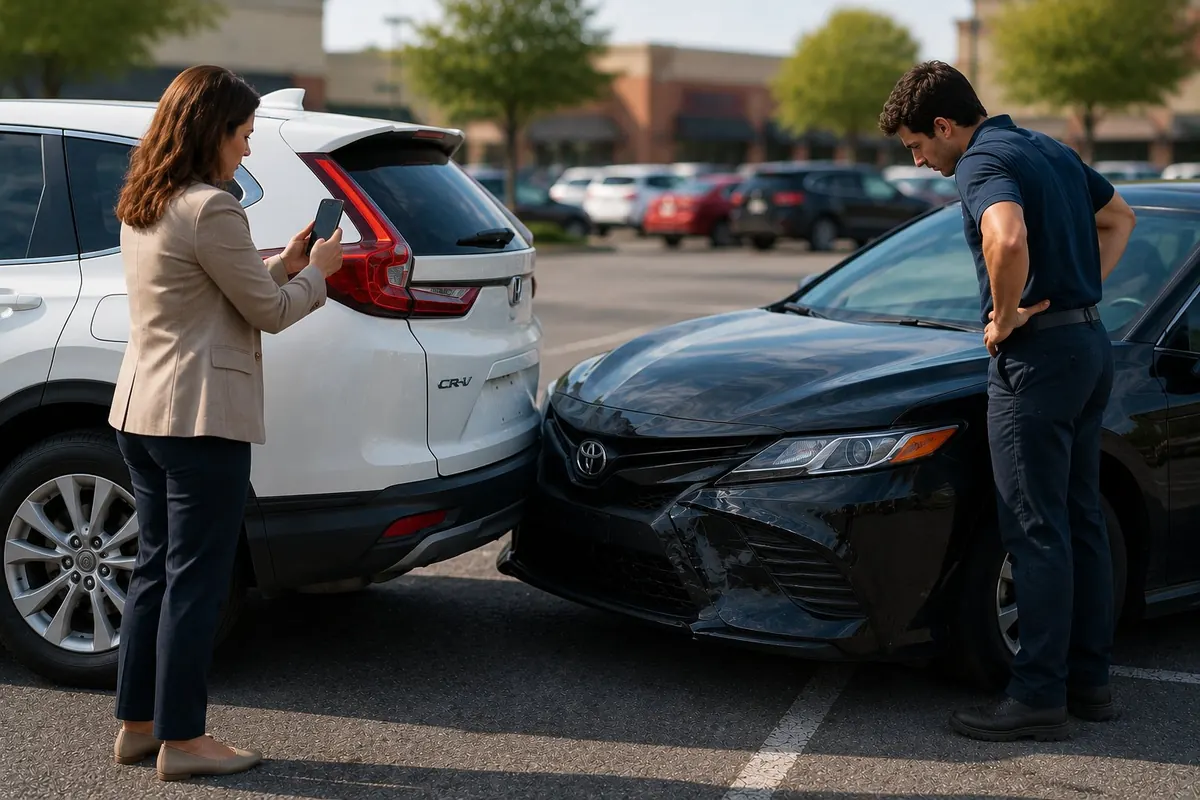
A car accident is one of the most stressful things that can happen during an ordinary day. Your adrenaline is up, your hands may be shaking, and you're suddenly trying to remember what you're supposed to do. Here's the step-by-step plan that keeps you safe, protects your insurance claim, and gets you moving again.
Step 1: Check for Injuries
Before anything else, check yourself, your passengers, and the other driver for injuries. If anyone is hurt, call 911 immediately. Don't try to move someone with a possible neck or back injury unless they're in immediate danger from fire or traffic.
Step 2: Move to Safety
If the vehicles are drivable and the accident is minor, move them to the shoulder or a parking lot. This protects everyone from secondary collisions, which are unfortunately common on Birmingham highways. If the cars can't be moved, turn on hazard lights and stay inside with seatbelts on if traffic is heavy.
Birmingham reality: Stretches of I-65, I-20, and I-459 see fast traffic. Even minor accidents become dangerous if you're standing in active lanes. Move to the shoulder if at all possible.
Step 3: Call the Police
Even if the damage looks minor, getting an accident report gives you solid documentation for your insurance claim. It protects you if the other driver's story changes later.
Step 4: Exchange Information
Get the following from the other driver:
- Full name and contact info
- Driver's license number
- License plate number
- Insurance company and policy number
- Vehicle make, model, year, and color
And get contact info from any witnesses if there are any. Their statements can matter a lot if there's a dispute later.
Step 5: Document Everything
Use your phone to take photos and a quick video of:
- All vehicle damage from multiple angles
- License plates of both vehicles
- The accident scene from a wide angle showing position of vehicles
- Road conditions, traffic signs, weather
- Any visible injuries
- The other driver's insurance card and license (if they let you)
This documentation can save you thousands if the other driver later changes their story.
Step 6: Don't Admit Fault
Be polite and cooperative, and stick to the facts. Let the insurance companies sort out fault based on the full picture — that's their job, not something to settle at the scene.
Step 7: Call for a Tow if Needed
If your vehicle isn't safely drivable — leaking fluids, broken lights, deployed airbags, frame damage — don't drive it. Call a towing company you trust. Honeycutt Towing handles accident-scene tows throughout the Birmingham metro 24 hours a day at 877-724-6639.
Step 8: Notify Your Insurance Company
Call your insurance company within 24 hours of the accident. Provide the facts as you know them and the police report number. Most insurers have apps that let you upload photos and start a claim from your phone before you even leave the scene.
The Most Important Thing to Remember
The first 30 minutes after an accident matter most. Stay calm, stay safe, and document everything. The accident itself is usually the worst part — what comes after can go smoothly if you've done the right things at the scene.